
Corsica: A Guide to the “Island of Beauty” and the Legendary GR20
Fifteen days of trekking, 200 km to cover, a total elevation gain of 10,000 meters, and breathtaking climbs rewarded by stunning landscapes. You are in Corsica,known in French as La Corse, is a Mediterranean paradise famous for its rugged mountains and turquoise waters. Whether you are trekking the GR20 trail or exploring the historic streets of Ajaccio, our post is an essential guide to visiting the Island of Beauty.
You have probably noticed that the mere mention of visiting Corsica usually sparks mixed reactions, yet it remains a top French Mediterranean destination. But if there is one point everyone agrees on and that is beyond debate, it is the lasting impression left by the beauty of its nature. More than an island, it is a “mountain in the middle of the Mediterranean,” as the historian Fernand Braudel wrote.
The GR20: Europe’s Most Challenging High-Altitude Trek
Its mountainous landscapes encourage you to leave the car in the garage and explore its massifs by following its marked trails. Like any other French mountain range, you can cross the “Island of Beauty” by following a long-distance hiking trail, better known as the GR20, also called “Fra li monti” (between the mountains). Created in 1972, it has since become an institution. From Calenzana in Balagne to Conca in the Gulf of Porto-Vecchio, the GR20 follows the watershed from the northernmost part of the island toward the extreme southeast of Corsica, hugging the mountainous relief of the Regional Natural Park which covers more than a third of the island.
Considered the most difficult high-altitude trail in Europe, it is also one of the most popular. No fewer than 10,000 dreaming adventurers from all over the world attempt to take on the challenge every year.
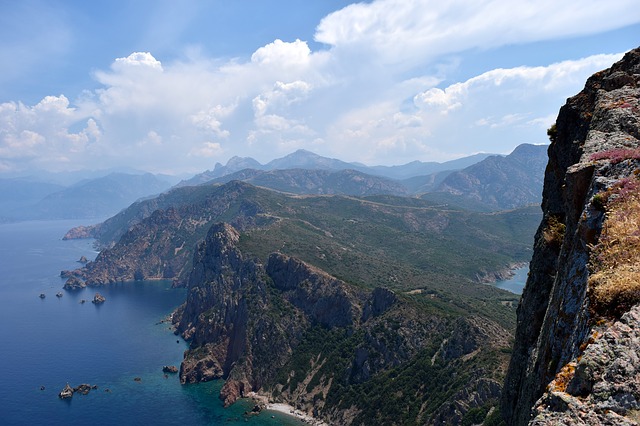
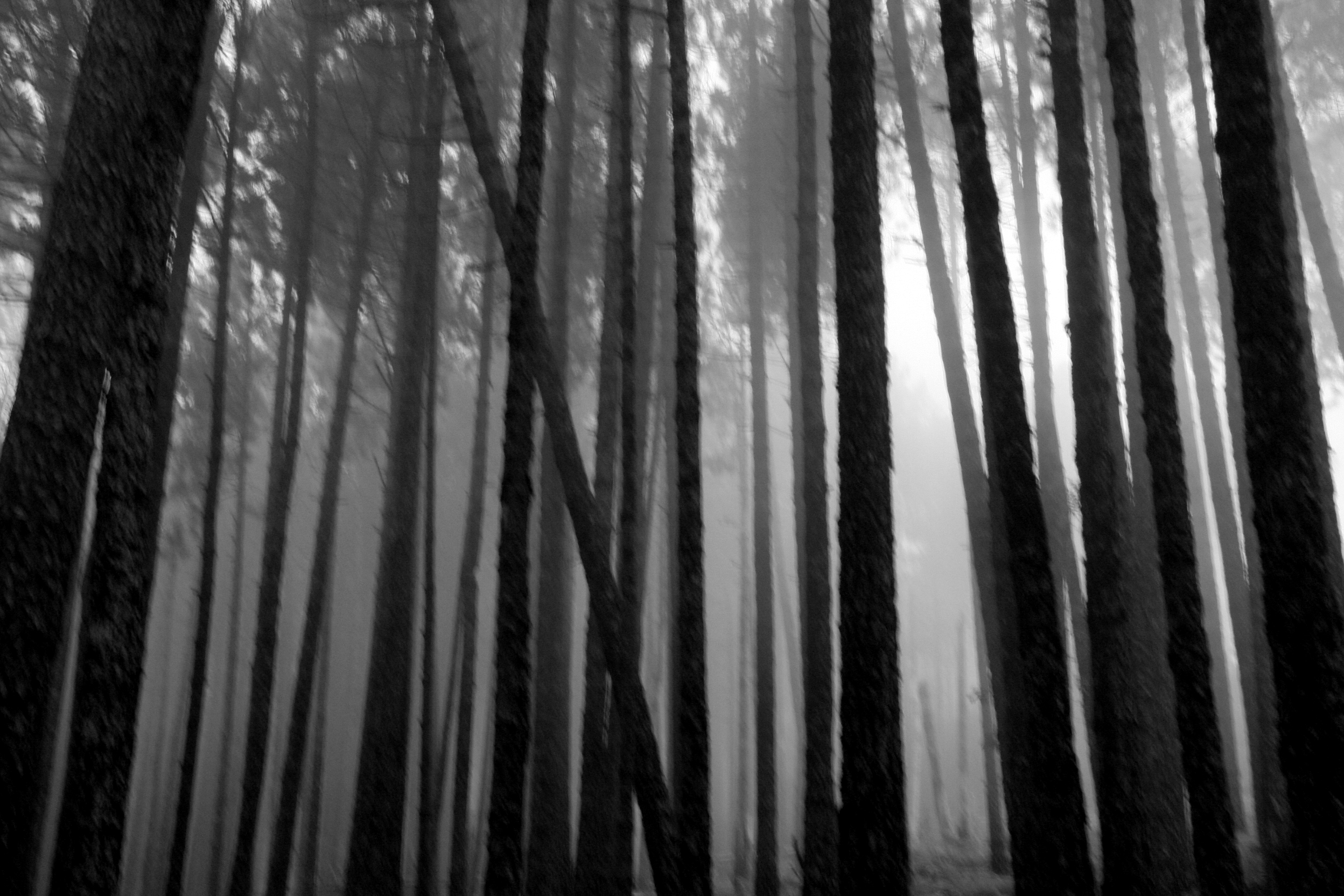
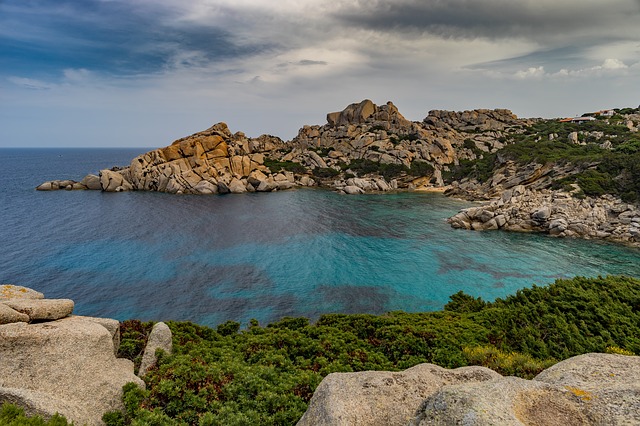
But beyond the physical difficulties offered by the GR20, it is truly the diversity of its landscapes that makes its reputation. On the menu: pine and beech forests on hillsides, desert plains, craters sculpted by erosion, rocky needles sharpened by the wind, snow-capped peaks, as well as emerald lakes, streams, crystal-clear waterfalls, and plunging views of the sea. All of this is embellished by sumptuous light and colors—those of the South and the Mediterranean.
These little corners of paradise contrast sharply with the crowds and bustle of the seaside resorts, and those seeking tranquility and “recharging” will not be disappointed!
For those hiking in Corsica, the route only crosses two villages (Vizzavona and Bavella), and of course a few sheepfolds and refuges that provide overnight accommodation. These stops are vital for the hiker, as you often have to count on between five and eight hours of walking per day. At a rate of one stage per day for two weeks and with a total elevation gain of about 10,000 m, the itinerary is quite intense!
Haste makes waste…
As Mr. Zuccarelli, from the hiking department of the Corsican Regional Natural Park, admits with a touch of irony: “many people arrive with their hiking plans without truly realizing that Corsica is a mountain!” The GR20, as you will have gathered, is generally recommended for seasoned athletes. However, for those in good health and with a minimum of physical preparation, hiking from refuge to refuge is within the reach of the general public, provided a few common-sense rules are followed.
Planning Your Trek: Essential Tips for Success
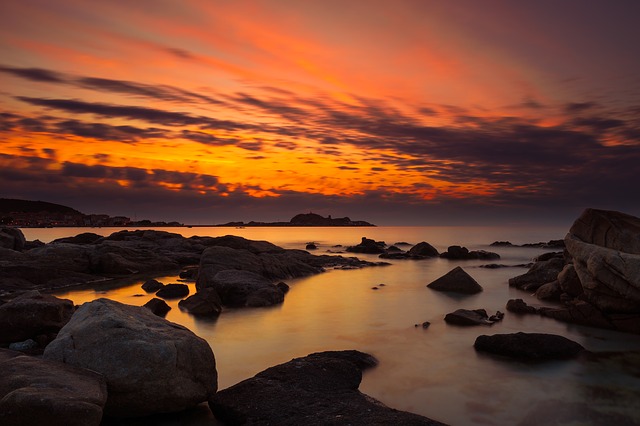
As basic as it may seem, a lack of water and the heat can turn even the shortest stage into an unspeakable ordeal. A departure at dawn, ideally around 7:00 AM, is preferable to avoid walking during the hottest hours of the day. This advice also helps hikers avoid summer storms that can catch them by surprise at the end of the day, and ensures they aren’t trapped by the “first come, first served” rule that prevails in mountain refuges.
More like old-fashioned lodges than large hospitality structures, these refuges do not accept reservations and are often overwhelmed during the peak seasonal period (mid-July to mid-August). It is also best to be warned in advance of their very rudimentary comfort. Hikers will find the conviviality and warmth of a community of walkers happily sharing tips, unusual stories, and other juicy anecdotes about their experiences, but there are no plush beds to soothe a bruised back or even simple bathtubs in which to lounge and relax the muscles.
Admittedly, the services at the lodges along the GR have improved significantly in recent years, as they all now offer dining options from late May to late September. The menus provided are simple but invigorating. Corsican pasta, sausage, and cheese are often enough to make any hiker happy! Additionally, it is possible to escape the crowded dormitories (and unwelcome snoring) by bivouacking: camping, which is strictly forbidden everywhere else, is allowed near all refuges. Admittedly, the extra weight for backpacks is significant—bearing in mind that a pack should never exceed fifteen kilos for women and twenty for men—but the starry Corsican nights are well worth the effort. In August, when the shooting stars are out, sleeping under the open sky becomes a magical spectacle: a light show performed right before your eyes.
Back to more prosaic realities. Regarding gear, good hiking boots are essential, but certain accessories like telescopic poles can also be a great help on the many steep descents. Chains or ladders used at certain points of the route, such as the descent of the Cirque de la Solitude, are already installed on-site at the few difficult passage points that required modification.
However, there is no need to be afraid. While some sections of the route are a bit more delicate, there is no need to be an expert in rock climbing. We repeat: the GR is technically accessible to most people; its difficulty lies mainly in its length, steep elevation changes, and demanding weather conditions, explaining why only 30% of hikers who follow its path manage to complete the entire crossing.
Corsica from the inside
What a beautiful experience it is! Any hiking excursion in the Corsican mountains has even more to offer than the very rewarding but ultimately traditional satisfaction of reaching a goal, conquering a summit, or finishing a stage. Beyond the sensory joys provided by one of France’s best-preserved ecological territories—with its classified sites, nature reserves, and the richness of its flora (2,835 recorded species, including more than a hundred found nowhere else)—any hiker who truly listens to the land can feel an unexpected, intimate, and secret jubilation: the encounter with the “Corsican soul.”
Beyond the Trail: Discovering the “Corsican Soul” and History
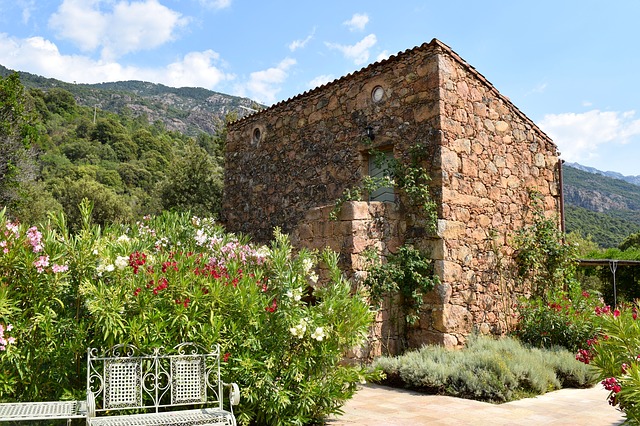
If the mountains literally fill the island’s landscape (70% of the island’s area), they are above all the showcase of Corsican culture—the fruit of a history shaped by resistance to invasions, the guardian of a spirit of combativeness and a refusal to compromise; in short, the melting pot of Corsican identity and collective imagination.
Let it be known: the Corsicans, far more shepherds than fishermen, hardly have sea legs. The Mediterranean has played many tricks on them, tirelessly bringing invaders, mercenaries, and pirates of all kinds to the shores of the Island of Beauty. Facing this treacherous sea, the Corsicans found refuge in the interior, hiding in the thick “maquis” scrubland, which is full of viable and impregnable shelters in the mountains for those unfamiliar with them.
While Romans, Vandals, Goths, Byzantins, Lombards, Franks, and Moors experienced varying degrees of success in Corsica, none tamed its mountains, where multiple resistance movements developed—from Ugo Colonna’s revolt against the Moors in the 9th century to the opposition orchestrated nine centuries later by Pascal Paoli against Genoese rule. And when it came to establishing a rebel capital, Corte, a city nestled in the heart of the Corsican massifs and nicknamed “U Centru di Corsica,” was naturally chosen.
Nature works in mysterious ways, as the saying goes. In Corsica even more than elsewhere, one might be tempted to add. It is no coincidence that meeting these land-bound people and their rural heritage requires a bit of tenacity and stubbornness in physical effort. After all, these same adjectives describe the Corsican mentality perfectly, and there is no doubt that these mountain fortresses were largely responsible for the legendary obstinacy and resilience of the Corsican character.
Lived as a total adventure—physical but also human and cultural—hiking in Corsica transforms into an experience revealing a Corsica that is sometimes harsh and arduous, but infinitely majestic and proud. The Corsica of the Corsicans, quite simply.
Hiking for Everyone: Alternative Routes in Corsica
The GR20: a difficult route for the most athletic and ambitious; not recommended for those under 15, for both physical and psychological reasons.
Duration: 15 days. However, it is possible to do only a few stages or just the northern or southern sections. Note that the south-to-north direction, though less popular, is considered easier as it allows for a gentler warm-up in the first few stages.
Passable from May to October without snow; June and September are the two ideal months to ensure calm weather and sunshine.
Five intermediate trails: two “Mare e Monti” (sea and mountain) and three “Mare a Mare” (sea to sea). Duration: between 8 and 10 days.
Seven village hikes: easy and circular. Ideal for families with children. Duration: 3 to 5 hours each.
Walks on the coast and in the interior: all levels. Duration: between 1 and 5 hours each.
If you are planning to take on the challenge of the GR20, I recommend consulting this excellent guide on logistics and comfort (in French) provided by Nature Aventure to give you the best chance of success on this trek and other Long Distance trails.
More Info
Hiking Information Center of the Corsican Regional Natural Park
2 rue Sergent Casalonga, Ajaccio
Tel.: 04.95.51.79.10; fax: 04.95.21.88.17.
Reference guide published by the Corsican Regional Natural Park with mapping and detailed stage-by-stage tracking.
Two Corsican organizations for custom hikes, guided or self-guided, with luggage transport possible:
Couleur Corse, 04.95.10.52.83, couleur-corse.com
In Terra Corsa, 04.95.47.69.48, interracorsa.fr
🚢 Plan Your Trip to Corsica
By Plane: Daily flights via Air France to Bastia and Ajaccio.
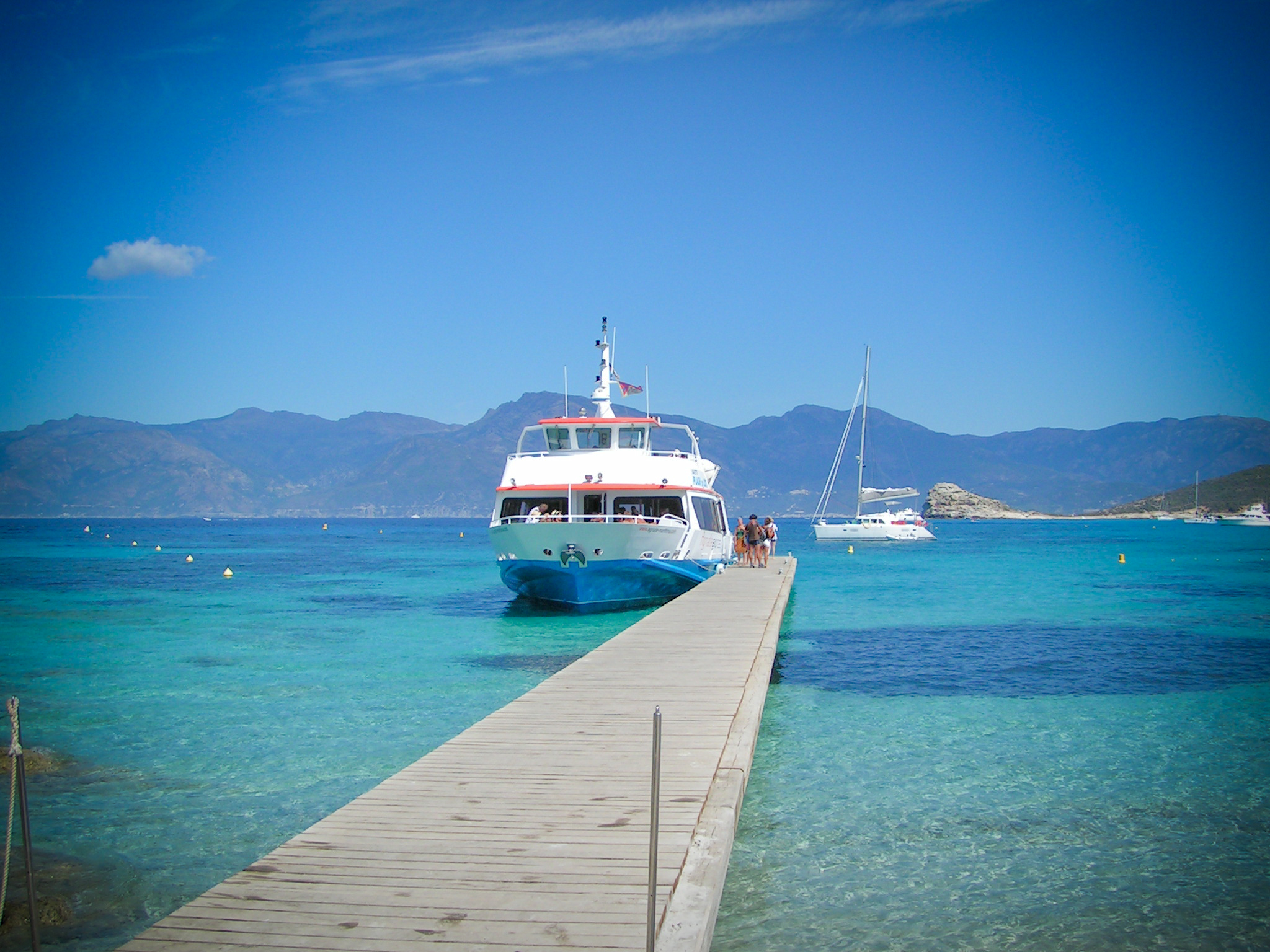
By Boat: High-speed craft (HSC) from Nice to Ajaccio (4h) or Bastia (5h) via Corsica Ferries.

Air France airfrance.fr
Corsica-Ferries, corsicaferries.com