
Royan: The 1950s Seaside Gem
Where Modernism meets the Atlantic
The iconic shell-shaped concrete masterpiece. A “must-visit” on Wednesday and Sunday mornings.
Constructed in just 3 years (1955-58), this raw concrete giant is a symbol of the city’s post-war rebirth.
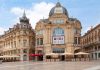
Housed in the 1950s modernist Pontaillac Market Hall, it tells the story of the city from Picasso to the present.
Explore the Parc District to see the pristine 19th-century villas that survived the 1945 bombings.
🚂 Le Train des Mouettes : Take a nostalgic journey on the Seagull Train, running on the oldest railway line in the region through the salt marshes to La Tremblade.
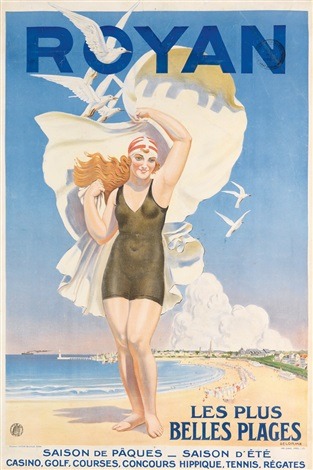
🏖️ The Five Beaches of Royan
Royan’s coastline is famous for its beaches. Here is how to find your perfect patch of sand:
La Grande Conche
2.6km of fine sand with blue-and-white striped tents. Facing south and protected from the swell, the water is calm and shallow.
Plage de Pontaillac
The “chic” beach. Facing the Atlantic, it’s the only urban beach where you’ll see surfers catching waves. Home of the Royan Casino.
A Coastal Gem: History & Modernism
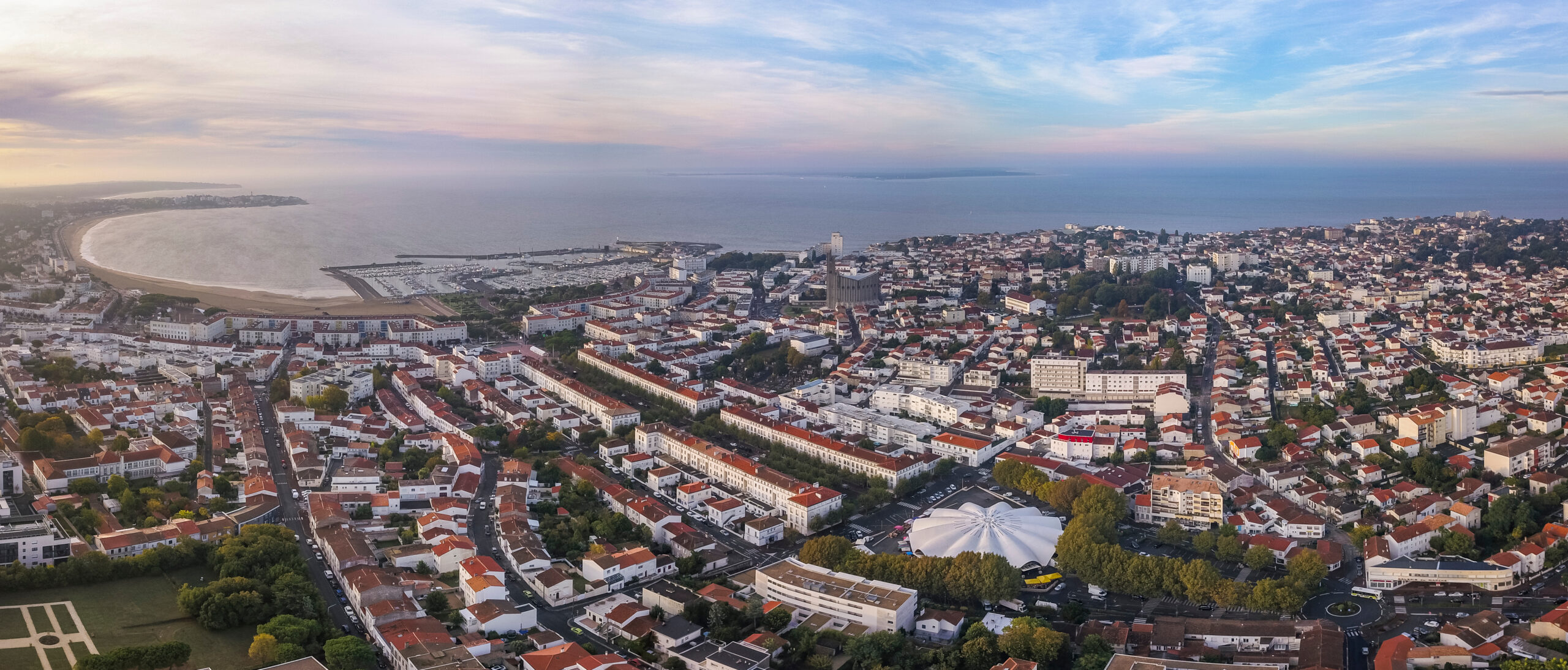
Royan’s story is one of dramatic transformation. Known in the 19th century as a premier “Belle Époque” destination, the city was tragically destroyed by Allied bombings in 1945. What emerged from the ruins was a “modernist laboratory.” Architects like Claude Ferret reimagined the city using reinforced concrete, curves, and vibrant colors inspired by the Brazilian modernists.
The Architecture of Rebirth
Walking through Royan today is like visiting an open-air museum. The Palais des Congrès and the Central Market are internationally recognized landmarks of this era. The market’s roof, a thin shell of concrete, was a technical marvel of its time.
Religious Buildings & Sacred Art
⛪ Notre-Dame de Royan
Dominating the skyline, this raw concrete church (constructed 1955-1958) is a masterpiece of modern sacred art. Its interior is designed to capture the unique Atlantic light.
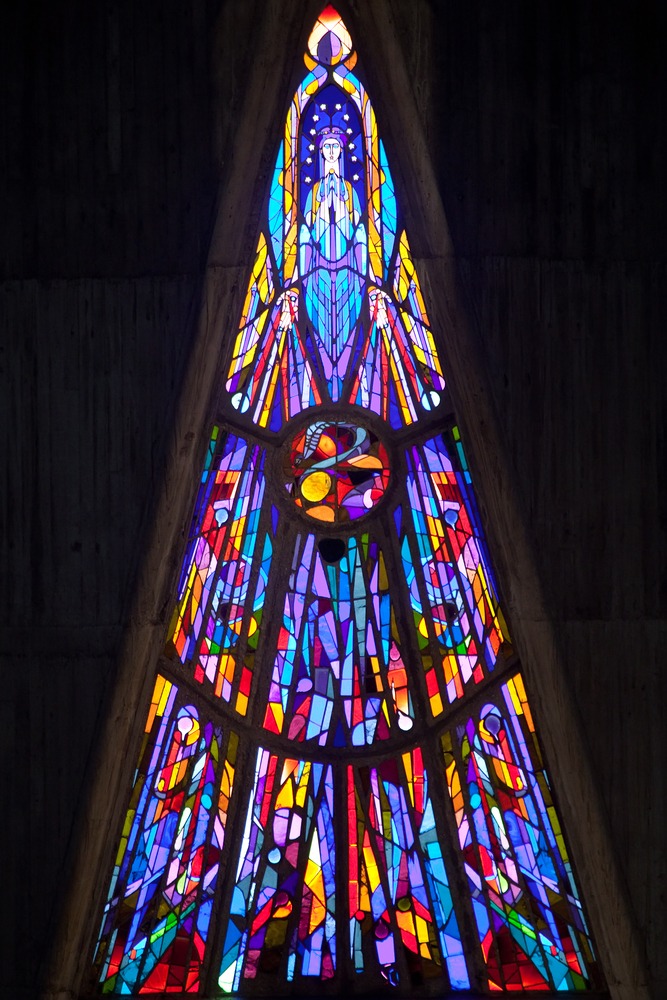
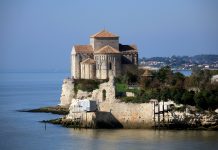
Located in a “Village of Stone and Water,” this charming church sits majestically above the banks of the Seudre River.
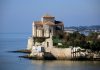
An essential place of worship. One of just a handful of distinct octagonal temples in the country.
A Cityscape Born of Resilience
Royan is a rare “Mid-Century Modern” gem. This modern look is the result of a dark chapter in 1945.
The Mid-Century Modern style of clean lines, flat planes, and simplicity dominates the white urban landscape. The villas on the Front de Mer reminiscent of the Belle Époque seem too pristine to have withstood 150 years of Atlantic weather.
The reasons are dark and have their origins in the politics of the end of WW2.
1945: The Destruction of Royan
On Jan 5, 1945, at the request of the French High Command, RAF bombers razed the city with 2,000 tonnes of high explosives. Ironically, the only buildings left standing were the German Bunkers.
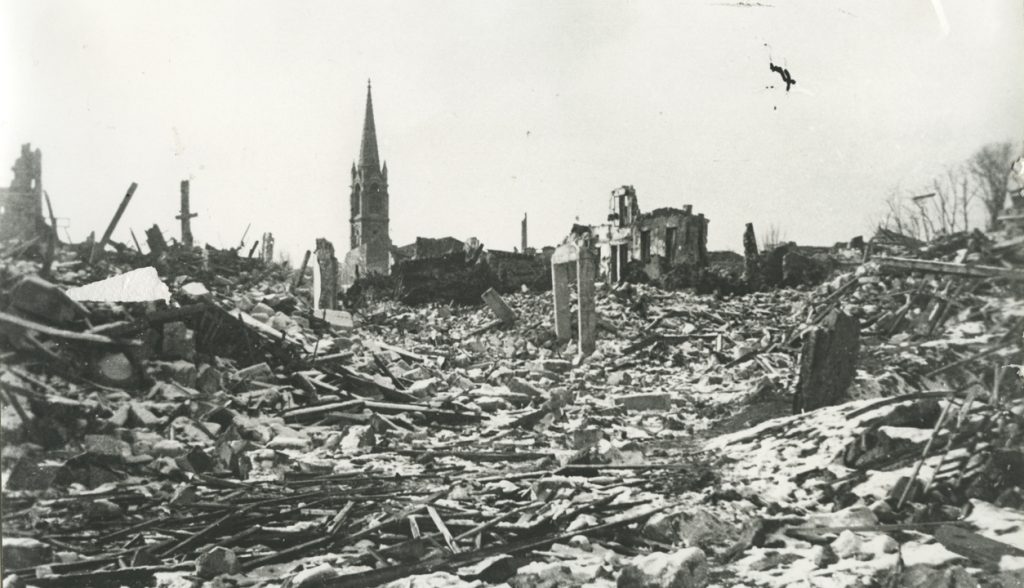
In April, 1,350 USAF planes dropped 7,500 tonnes of bombs, including, for the first time, Napalm, resulting in an inferno. The loss of life was 442 French civilians and 47 German military personnel.
🗿 Monuments & Remnants
Mémorielle “Le Souffle”
Operation Frankton
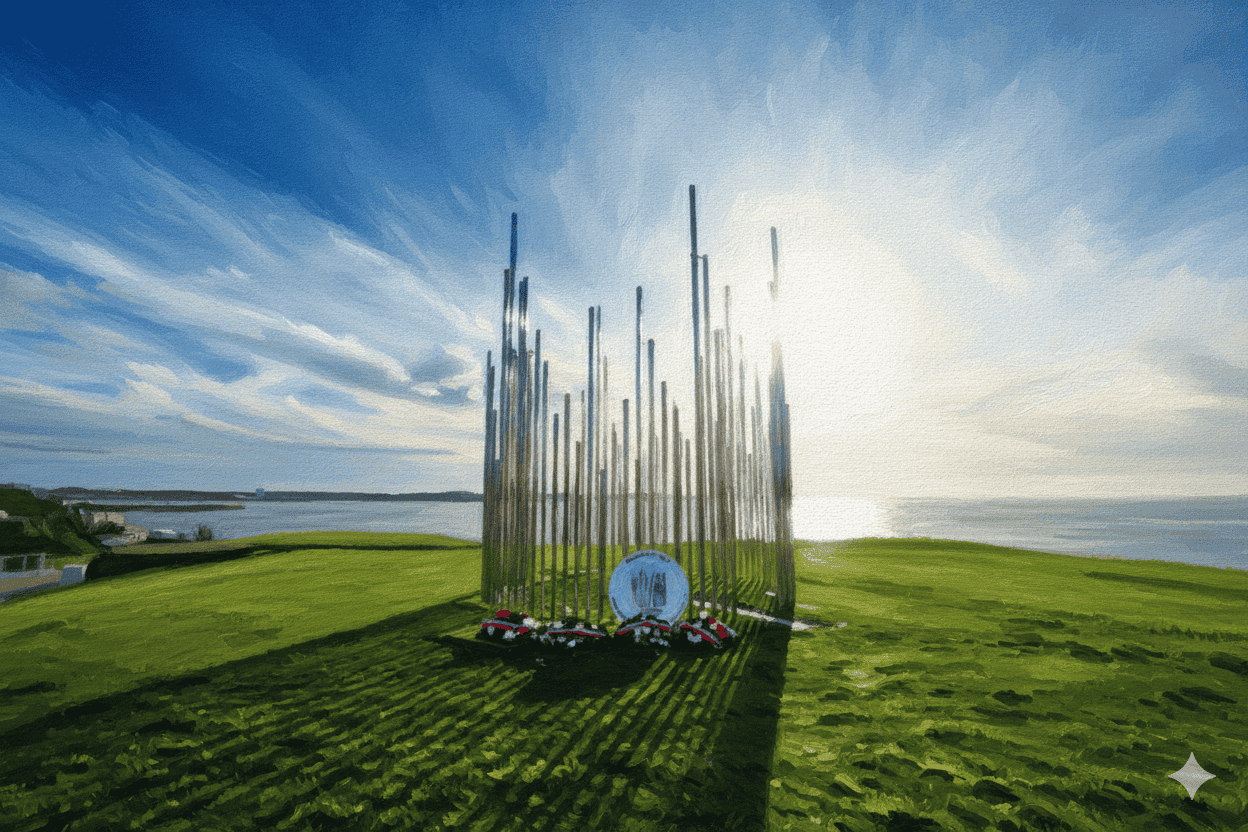
At Le Chay (6 All. des Rochers Royan) is a Stèle dedicated to the “Cockleshell Heroes” raid of 1942, Operation Frankton.
Directly opposite is the Pointe de Grave, although not strictly in Royan, it is just a 30-minute ferry ride across the Gironde. This breathtaking spot provides a stunning view of the wild coast and unobstructed views of the Atlantic Ocean.
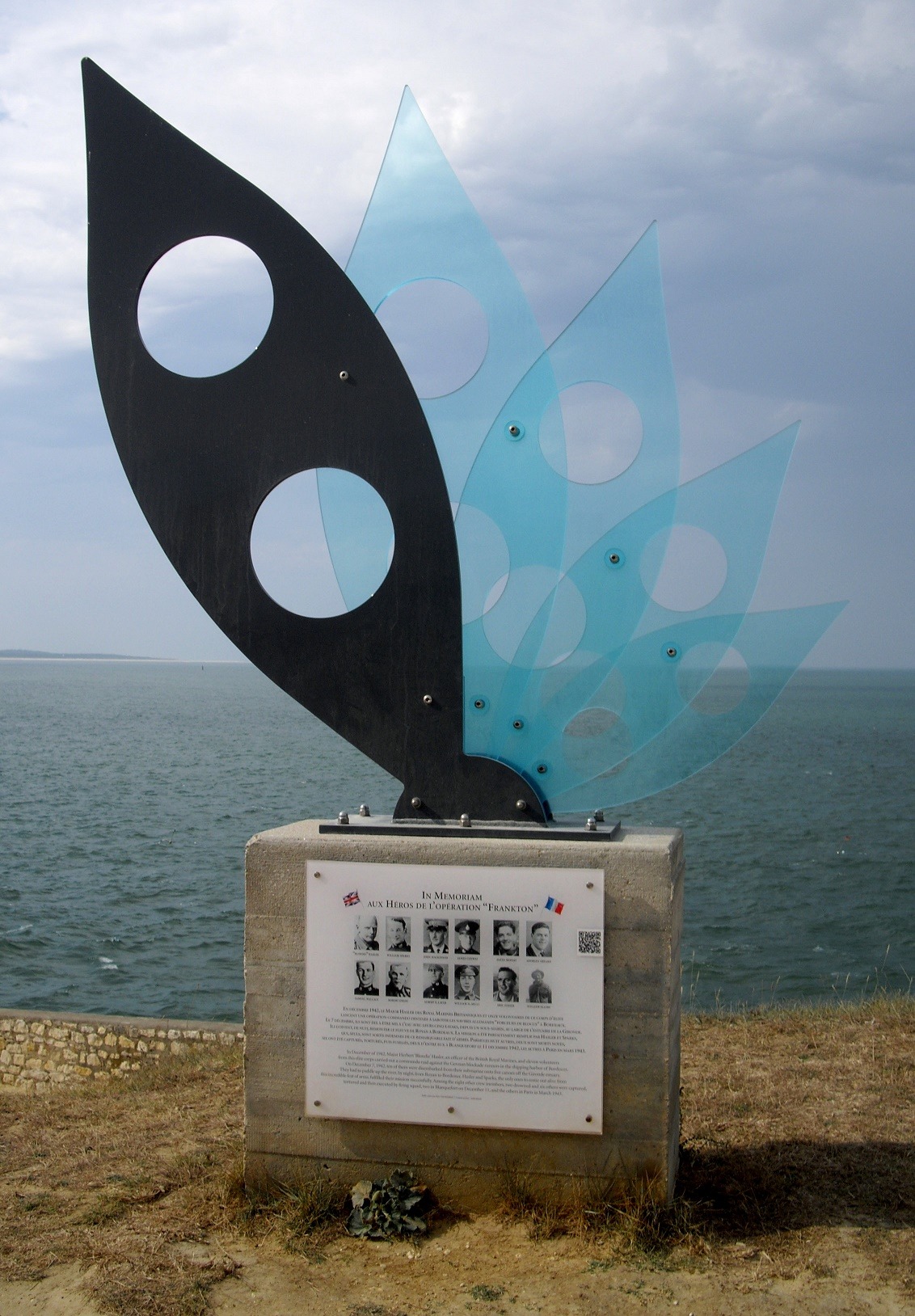
Pointe de Grave is home to another of the monuments to the heroes of Operation Frankton, the daring raid by 10 British Commandos of the Special Boat Squadron in 1942 on Axis ships berthed in Bordeaux. The successful attack damaged or sank 6 ships but resulted in 8 of the Cockleshell Heroes being executed or drowned.
The two monuments on opposite banks of the estuary represent the fortified observation posts occupied by the Germans through which the Commandos had to pass.
Bunkers and Blockhouses
The Côte de Beauté is haunted by the last remnants of Hitler’s Atlantic Wall. Overlooking the entrance of the Gironde Estuary, the Royan Bunker at the Pointe du Chay offers incredible panoramic views.
There are more bunkers, blockhouses and forts to visit; these are the best examples:
- Ronce-les Bains (plage du Galon d’Or),
- La pointe de Suzac (Saint-Georges-de-Didonne),
- La pointe de la Coubre,
- La plage de la Grande Côte à Saint-Palais-sur-Mer,
- Le lieu-dit « Le Requin » aux Mathes (batterie Rest Adler Cosel),
🔦 Lighthouses of the Côte de Beauté
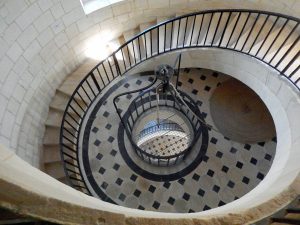
The “Versailles of the Sea.” The oldest lighthouse in France still in operation. Full History.
A giant at 64 meters. Today, due to erosion, it sits just 150m from the waves!
Cycle & Explore
With 250km of cycle routes, the Coubre Forest and the Estuary tours are unmissable. For families, the Palmyre Zoo and Planet Exotica provide world-class animal attractions.
Planning Your Visit?
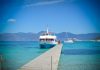
From the steam “Train des Mouettes” to the stunning Estuary ferry, Royan is the perfect day trip during your stay at France Gites.
BOOK YOUR STAY